
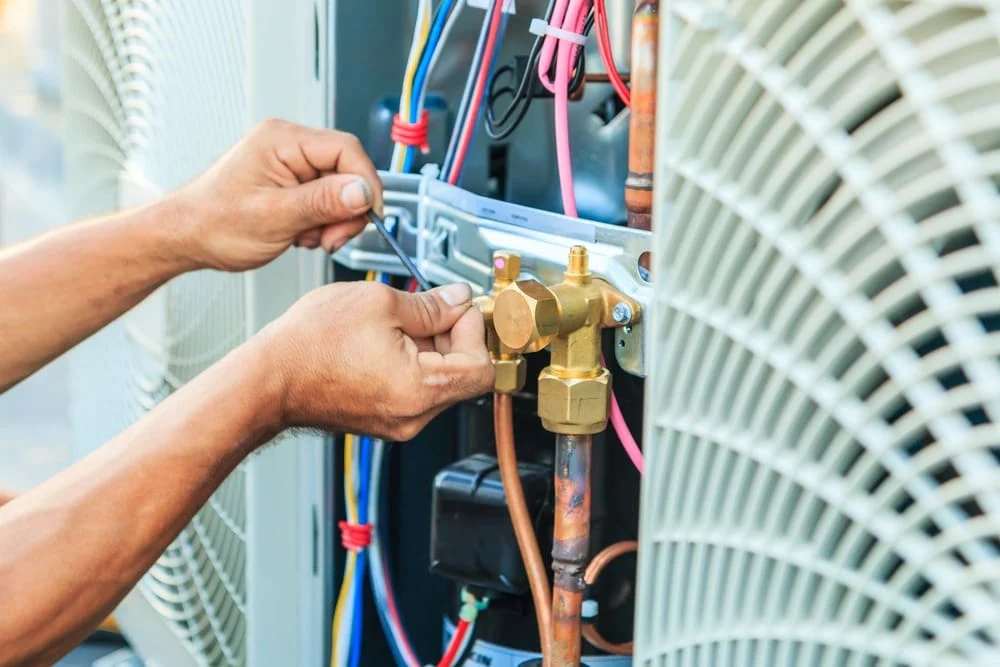
 AC Repair Tips
Common AC Problems and How to Fix Them (Complete Guide)
Air conditioners are essential for comfort, especially during hot weather. However, like any machine, they can develop problems over time.
Understanding common AC issues and their basic solutions can help you save time, reduce repair costs, and maintain better performance.
In this guide, we will cover the most common AC problems and how to fix them.
AC Not Cooling Properly
One of the most common issues users face is poor cooling.
-
Dirty air filters blocking airflow
-
Low refrigerant (gas) levels
-
Dirty condenser coils
-
Incorrect temperature settings
Cleaning the filters and checking gas levels usually helps improve cooling.
Water Leakage from AC
Water leakage can damage walls and affect AC performance.
-
Blocked or dirty drain pipe
-
Improper installation
-
Frozen evaporator coils
Regular cleaning of the drainage system can prevent leakage problems.
AC Making Unusual Noise
Strange noises are a sign that something is wrong inside the unit.
-
Loose parts or screws
-
Fan motor issues
-
Debris inside the unit
If noise continues, it is better to get it checked by a technician.
AC Not Turning On
If your AC is not starting, it could be due to electrical issues.
-
Power supply problem
-
Faulty capacitor
-
Thermostat issues
Check the power connection first before calling a technician.
Bad Smell from AC
Foul smell from AC can make your room uncomfortable.
-
Mold or bacteria inside the unit
-
Dirty filters
-
Moisture buildup
Proper cleaning and servicing can eliminate bad odors.
High Electricity Bills
An inefficient AC can increase your electricity bills.
-
Running AC at very low temperature
-
Lack of maintenance
-
Old or low-efficiency unit
Maintaining proper temperature and regular servicing can help reduce costs.
When to Call a Professional
While some basic issues can be handled easily, certain problems require expert help.
-
Gas leakage or low refrigerant
-
Electrical faults
-
Compressor issues
-
Repeated cooling problems
Professional servicing ensures safety and long-term performance.
Conclusion
AC problems are common, but most of them can be prevented with regular maintenance and timely servicing.
-
Clean filters regularly
-
Monitor performance
-
Fix small issues early
-
Get professional servicing when needed
Taking care of your AC will ensure better cooling, lower costs, and longer lifespan.
 AC Buying Guide
How to Choose the Right AC for Your Home in 2026
Buying an air conditioner is a long-term investment, and choosing the right one can make a big difference in comfort, energy consumption, and overall cost.
With so many options available in the market, it is important to understand what type of AC best suits your needs. This guide will help you make an informed decision.
Types of Air Conditioners
There are different types of ACs available, and each is suitable for specific needs:
-
Split AC – Ideal for homes and provides powerful cooling with low noise
-
Window AC – Budget-friendly option for small rooms
-
Portable AC – Easy to move and does not require permanent installation
-
Cassette AC – Best for offices and commercial spaces
-
Duct AC – Suitable for large buildings with centralized cooling
Room Size and AC Capacity
Choosing the right capacity is very important for proper cooling.
-
1 Ton AC – Suitable for small rooms (up to 120 sq. ft.)
-
1.5 Ton AC – Ideal for medium rooms (120–180 sq. ft.)
-
2 Ton AC – Best for large rooms (above 180 sq. ft.)
Selecting the wrong capacity can lead to poor cooling and higher electricity bills.
Energy Efficiency Matters
Energy-efficient ACs help you save money on electricity bills.
-
Look for higher star ratings (3 Star or 5 Star)
-
Inverter ACs are more energy-efficient than non-inverter ACs
-
Better efficiency means long-term savings
Installation and Space Requirements
Before buying an AC, consider the available space and installation type.
-
Split AC requires wall space and outdoor unit placement
-
Window AC needs a window or wall opening
-
Portable AC requires minimal setup
-
Cassette and duct AC need ceiling or ducting work
Budget and Usage
Your budget and usage pattern should guide your decision.
-
Window AC is best for low budget
-
Split AC offers better performance and comfort
-
Portable AC is suitable for temporary use
-
Rental AC is a good option for short-term needs
Maintenance and Service
Regular maintenance is essential for long-term performance.
-
Choose AC brands with good service support
-
Ensure spare parts availability
-
Regular servicing improves cooling efficiency
Conclusion
Choosing the right AC depends on your room size, budget, and usage.
-
Select the correct type of AC
-
Choose the right capacity
-
Focus on energy efficiency
-
Consider installation and maintenance
Making the right decision will ensure better cooling, lower bills, and long-term comfort.
Top 7 AC Maintenance Tips to Improve Cooling Efficiency & Reduce Electricity Bills
An air conditioner is one of the most important appliances during the summer season. However, many people face issues like poor cooling, high electricity bills, or frequent breakdowns — mainly due to lack of proper maintenance.
The good news is that with a few simple steps, you can significantly improve your AC’s performance, extend its lifespan, and save money.
In this guide, we will walk you through 7 essential AC maintenance tips that every homeowner should follow.
1. Clean or Replace Air Filters Regularly
Air filters play a crucial role in maintaining proper airflow. When they get clogged with dust and dirt, your AC has to work harder, reducing cooling efficiency.
Best Practice:
Clean the filters every 2–3 weeks, especially during peak summer usage.
2. Keep the Indoor & Outdoor Units Clean
Both indoor and outdoor units accumulate dust over time, which can block airflow and reduce cooling capacity.
Best Practice:
Schedule a professional cleaning every 3–4 months to ensure optimal performance.
3. Monitor Refrigerant (Gas) Levels
Low refrigerant levels are one of the most common reasons behind insufficient cooling.
Best Practice:
Get your AC checked by a technician at the start of every season to ensure proper gas levels.
4. Check for Water Leakage Issues
Water leakage may seem like a minor issue, but it can lead to serious damage if ignored — including mold growth and wall damage.
Best Practice:
Ensure the drain pipe is clean and free from blockages.
5. Schedule Periodic Professional Servicing
Regular servicing not only improves cooling but also prevents unexpected breakdowns.
Best Practice:
Get your AC serviced at least 2–3 times a year by a professional technician.
6. Inspect Electrical Components
Faulty wiring or damaged components can reduce efficiency and even cause safety risks.
Best Practice:
Have all electrical parts checked during servicing to ensure safe and smooth operation.
7. Maintain Optimal Temperature Settings
Running your AC at extremely low temperatures increases power consumption and reduces efficiency.
Best Practice:
Keep the temperature between 24°C to 26°C for a balance of comfort and energy savings.
Conclusion
Proper AC maintenance is not just about cooling — it’s about efficiency, savings, and long-term performance.
By following these simple yet effective tips, you can:
- Improve cooling efficiency
- Reduce electricity consumption
- Prevent costly repairs
- Extend the life of your AC
A well-maintained AC ensures comfort throughout the summer without unnecessary expenses.